Can You Take A Drone Or GoPro On A Heli Hike?
Drones are banned in Aoraki / Mount Cook National Park and operators ask you to leave them behind. Here is what the rules say about GoPros, phones and cameras on the Tasman Glacier heli hike.
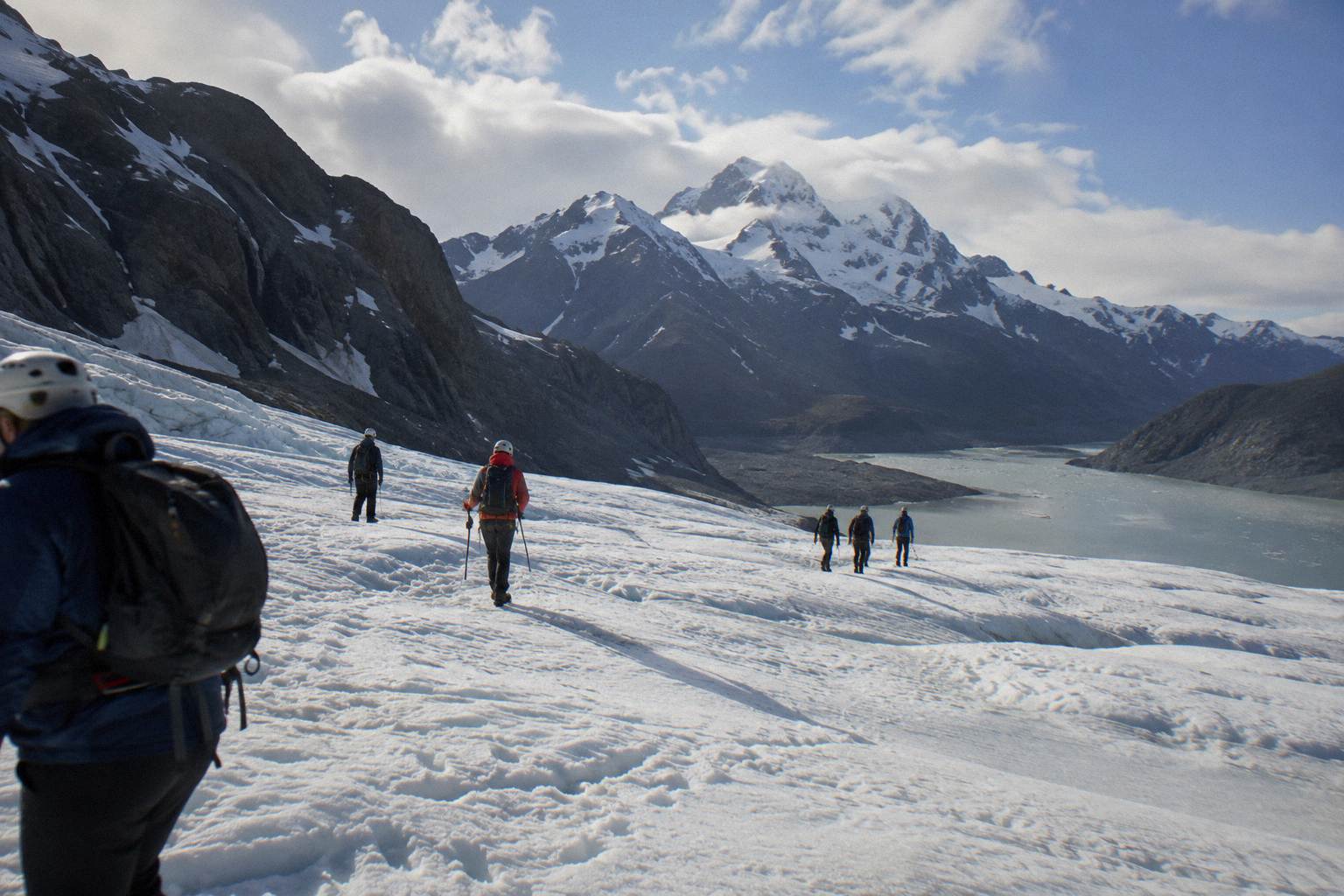
Recreational drones are not allowed anywhere in Aoraki / Mount Cook National Park, so a drone has no place on a Tasman Glacier heli hike in either direction: not in the helicopter, not on the ice, not at the airport. GoPros and phones are a different matter. The operators ask you to bring a camera, and they ask you to leave behind large cameras on a strap, drones, power banks and iPads. Action cameras sit between those two instructions, unaddressed, so ask the operator at booking rather than assume either way.
No drone. The Department of Conservation bans recreational drones from every part of Aoraki / Mount Cook National Park, and The Helicopter Line separately lists drones among items to leave behind for its Tasman Glacier Heli Hike. A GoPro or other action camera is not addressed by either operator: neither allowed nor banned in writing. The practical answer is to ask at booking and pack a pocket-size alternative in case the answer is no.
That is the short version, and it is worth unpacking because the two halves of the question have very different statuses. The drone half is settled. There is no recreational drone flying in this park at all, on any track, at any viewpoint, in any season. The rule comes from the park authority rather than from any tour company, which means it applies before you even reach the heli pad. The GoPro half is genuinely open. Operator packing lists mention cameras in general, and one operator's leave-behind list names specific items it does not want in the aircraft, but no listed operator publishes a line that says yes or no to a body-mounted action camera.
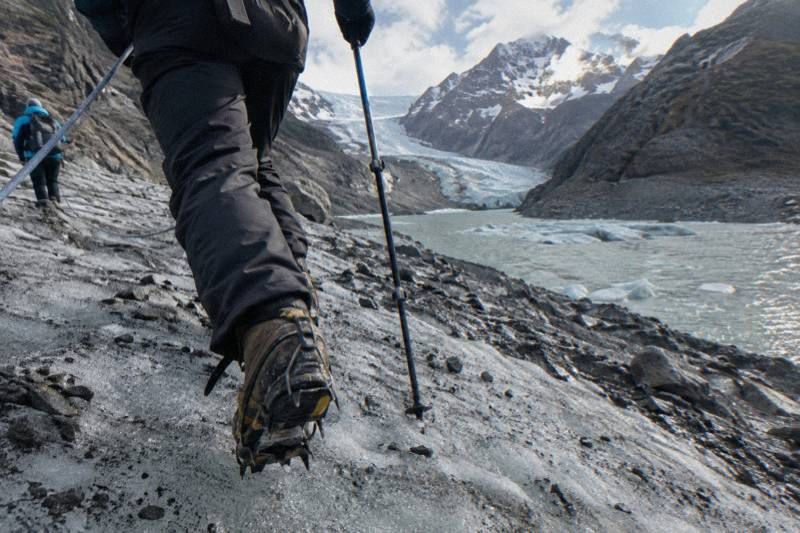
This matters more on a heli hike than on an ordinary walk. You will be in a small aircraft with strict weight and loose-item rules, wearing borrowed boots and crampons, walking on ice with a guide ratio of around one to eleven or twelve depending on the brand. Anything that can drop, dangle, catch the wind from a door or end up under a crampon is something the crew thinks about. A loose camera strap is treated the same way as a scarf: a hazard, not an inconvenience.
If you are still weighing whether the trip itself is worth it, the question is the glacier heli hike worth it is covered separately, and the photography planning question, including light and lenses, sits in the heli hike photography guide. What follows covers the rules for drones and cameras.
Are Drones Banned In The Whole National Park?
Yes. The Department of Conservation states that recreational drones are not allowed anywhere in Aoraki / Mount Cook National Park, with no seasonal exceptions, and commercial drone use requires a permit. The rule covers the village, the airport where the heli hikes depart, the Hooker Valley Track and the glacier landing zones themselves. A drone that never leaves your backpack is still better left at home.
- Glacier Guiding 3-Hour Heli HikeNZ$1,021
- Helicopter Line 3-Hour Heli HikeNZ$1,021
- 12-Hour Bus Combo, Heli HikeNZ$1,210
- 7-Hour Fly-In Heli HikeNZ$2,149
The park-wide ban is published on the Department of Conservation's Aoraki / Mount Cook National Park page, which also covers the other ground rules visitors trip over: no dogs, a permanent fire ban, and avalanches possible in any season. The reason drone rules are strict here is the same reason the park exists. Glaciers cover 40 percent of its area, nineteen peaks stand over 3,000 metres, and the whole place is part of the Te Waipounamu South Westland World Heritage Area. Wildlife disturbance and airspace conflicts around busy scenic-flight corridors are the practical concerns behind the ban.
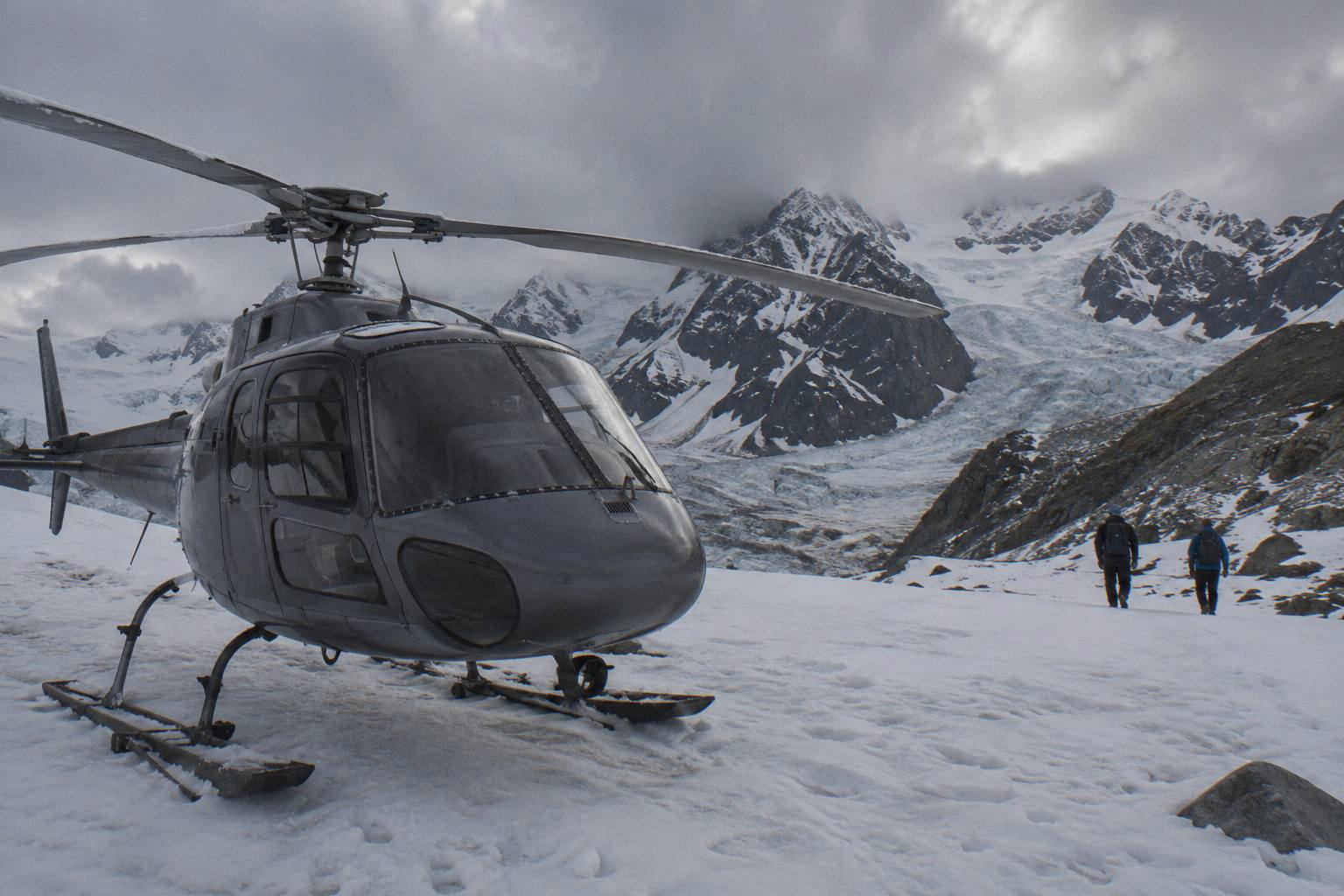
For a heli hiker this creates a simple chain of consequences. You cannot launch before the flight at Mount Cook Airport. You cannot fly at the glacier landing site, which sits around 1,200 metres above sea level on the Tasman Glacier per the Alpine Guides description of the standard hike. You cannot fly afterwards at the Tasman Glacier viewpoint or the Hooker Valley. If your whole plan was drone footage of Aoraki / Mount Cook, that plan needs to change before you book anything, not at check-in.
The Helicopter Line goes a step further than the park rule on its own Tasman Glacier Heli Hike page: drones appear on the leave-behind list alongside power banks and iPads. So even the argument of keeping the drone packed as a camera does not hold for that operator. The wider lesson from our guide to heli hike weather and cancellations applies here too: rules that look like bureaucracy are usually written around mountain realities, in this case aircraft, crevasses and a protected alpine environment.
What Do The Operators Say About Cameras?
Mt Cook Glacier Guiding lists a camera among things to bring on its 3-hour heli hike. The Helicopter Line says the same but draws a line at large cameras on a strap, which it asks you to leave behind along with bags, jeans, power banks, iPads, drones, loose clothing and scarves. Neither brand publishes a rule on GoPros or phones, so the operator's word at booking is the final one.
The distinction being made is about size and attachment, not about photography itself. A camera you can zip into a jacket pocket or a small backpack is welcome, because the operators assume you will want pictures of the ice. A camera hanging from a neck strap is not, because in an aircraft with doors, harnesses and a tight seating plan, a strap is a loose object, and on the glacier it is something that swings every time you step over a melt channel. The crampons and boots provided on the standard hike solve the footing problem; nothing provided solves the dangling-gear problem, so the operator removes it at the source.
| Operator | Bring list mentions camera | Leave-behind camera rule | GoPro or action camera |
|---|---|---|---|
| Mt Cook Glacier Guiding (with Mount Cook Ski Planes and Helicopters) | Yes, camera listed with sunglasses, hat, gloves, snacks | Check the booking page | Not addressed, ask at booking |
| The Helicopter Line (with Alpine Guides) | Yes, small backpack with camera implied in packing advice | Large cameras on a strap left behind | Not addressed, ask at booking |
The table is deliberately sparse because that is the state of the published rules. Anything firmer would be invented. What you can safely take from both columns is that pocket photography is normal on this trip and that the crew will have seen every kind of camera question before, so asking in advance costs nothing. The booking pages for both heli hikes covered here offer free cancellation up to 24 hours before start, which also means a wrong assumption about gear need not become a wasted booking if you ask early and do not like the answer.
One nuance from the verified operator pages: the request to leave things behind applies to the aircraft and hike environment of that specific brand. The Helicopter Line's rear-seat weight maximum of 150 kg on its heli hike is the same kind of brand-specific rule, and neither figure nor policy should be carried across to another operator's trip. When we compare the two main heli hike brands directly, in the Mt Cook Glacier Guiding or Helicopter Line comparison, the gear lists are kept separate for exactly this reason.
Is A Phone Camera Enough On The Ice?
For most people, yes. A modern phone handles glacier distances, group shots and helicopter windows well, fits the small backpack the operators recommend, and triggers no leave-behind rule from any listed operator. Its weaknesses are battery life in cold air and zoom reach for far icefalls, so carry it in an inside pocket, bring a spare battery rather than a power bank, and keep expectations for distant detail modest.
Cold is the real constraint. On a glacier around 1,200 metres up, air temperature drops well below what the valley feels like, and phone batteries drain faster in cold conditions, a fact every snow-sport photographer already knows. The catch is that The Helicopter Line asks visitors to leave power banks behind, so the work-around is a second charged phone battery if your phone allows one, or simply starting the day at full charge and keeping the phone warm in an inside layer until the moment you want a shot. Hand warmers wrapped around a phone also help, and they are not on any banned list. The rest of the planning pages sit on Mount Cook Helicopter Hike.
The helicopter windows deserve a mention because a lot of heli hike footage happens in the aircraft, not on the ice. Two scenic flights bracket the hike, and shooting through a perspex window softens images and picks up reflections. Hold the lens close to the glass without touching it, darken your phone screen slightly, and wipe the window area near you if the crew permits it. On the ice itself the guide will pause for photos; that is a normal part of the trip, not a favour you have to negotiate.
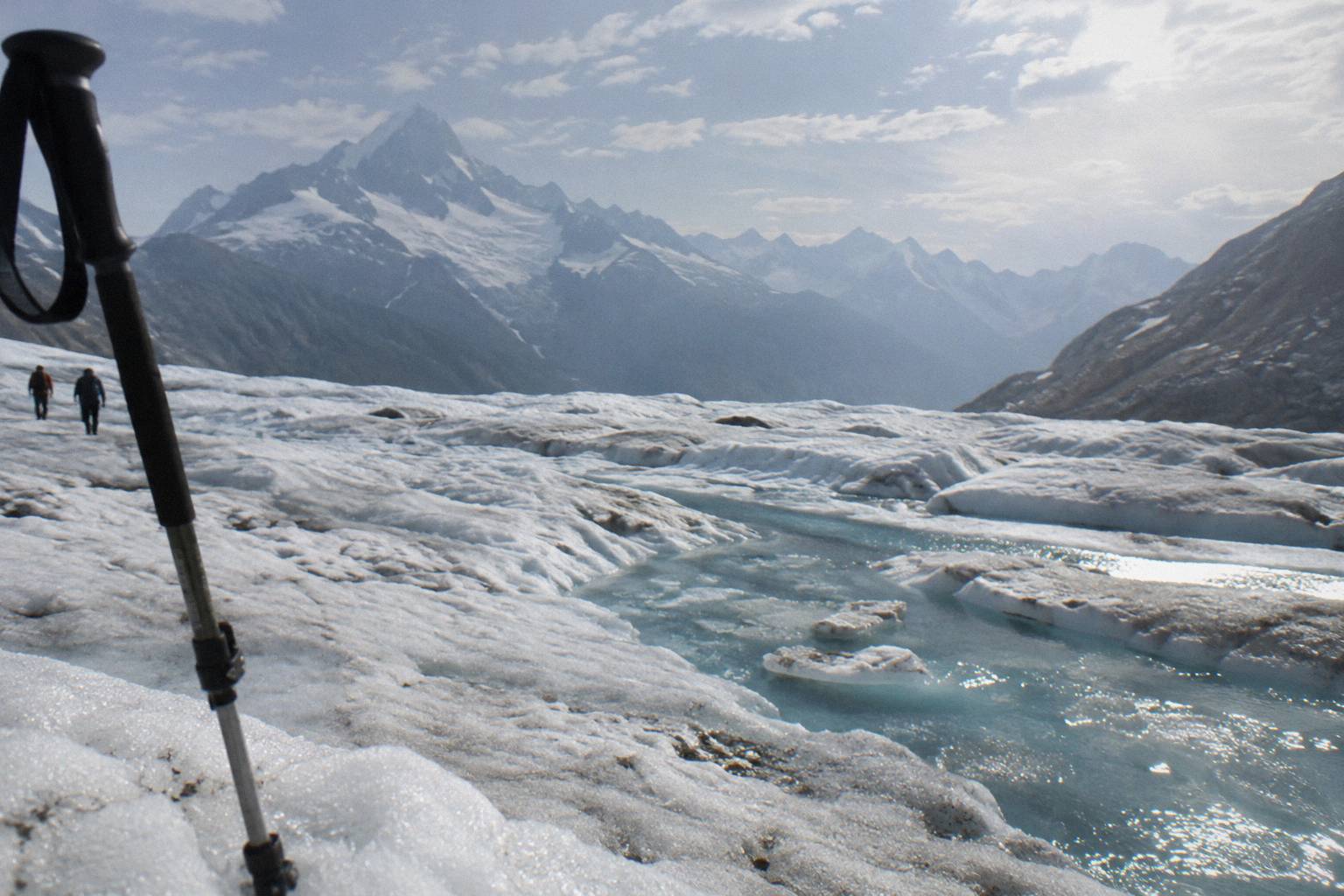
What a phone cannot give you is the aerial sweep a drone would have. There is no legal substitute for that inside the park. The closest legal equivalents are the operator's own scenic flights, which overfly the same terrain with a door between you and the view, and the free viewpoints such as the Tasman Glacier View Track, a 1.5 kilometre return walk with 300-plus steps to a moraine-wall outlook over the lake that did not exist until 1974. Some visitors split the difference: a heli hike for the ice, then the 40-Minute Tasman Landing flight or another snow-landing flight for extra air time. The trade-offs between walking on ice and only landing on it are laid out in heli hike or glacier snow landing.
Can Commercial Drone Pilots Film The Glacier?
Only with a permit. The Department of Conservation allows commercial drone use in the park subject to a permit process, which is separate from the blanket ban on recreational drones. A permit does not override the heli hike operators' leave-behind lists, does not guarantee permission to fly near aircraft, and needs to be arranged with the Department of Conservation well before any filming date.
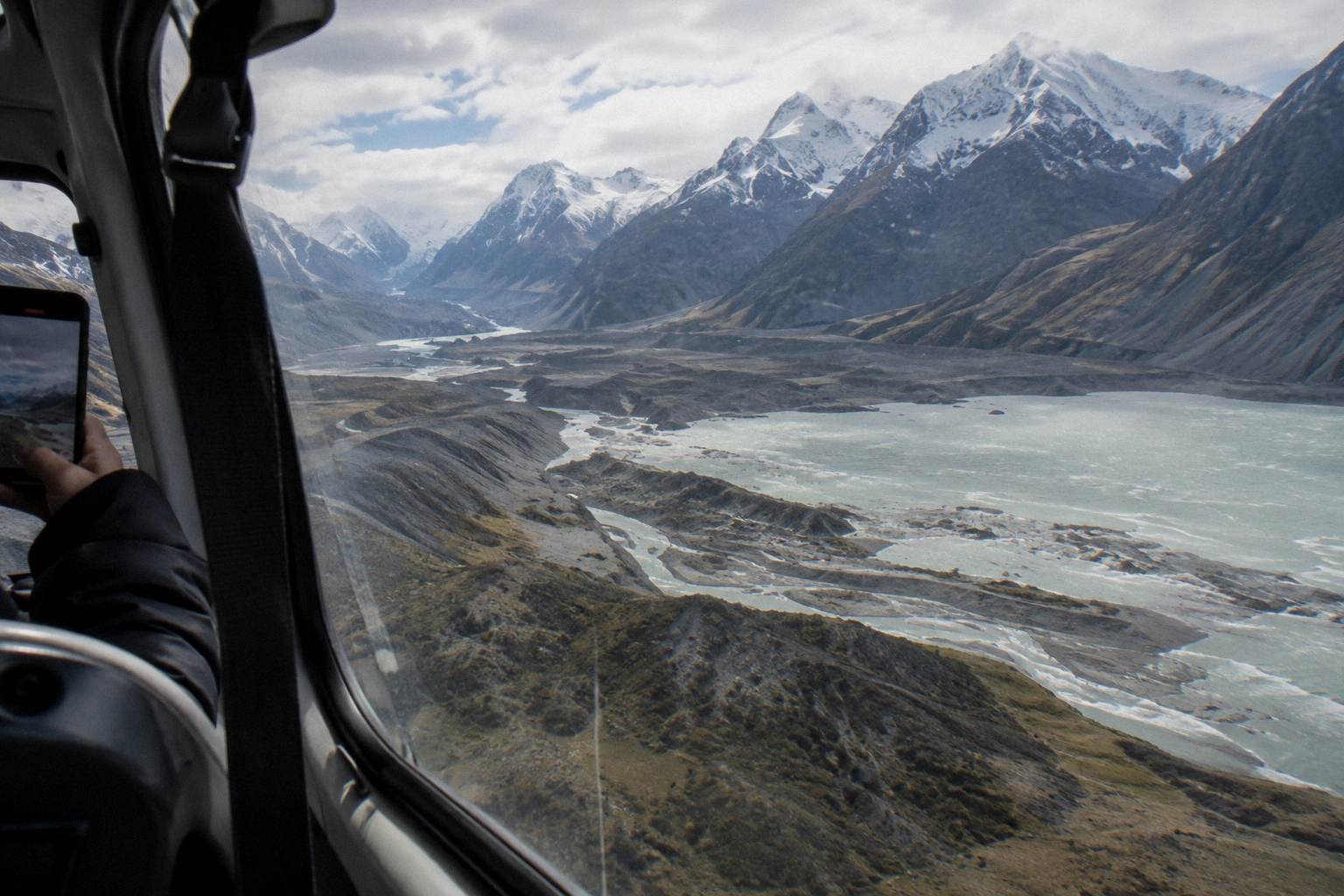
The commercial question comes up often enough to answer plainly. Film crews do work in and around Aoraki / Mount Cook, and the mechanism is a concession or permit from the park authority, not a quiet word with a helicopter pilot. Mount Cook airspace is active with scenic flights operating year-round, and an unapproved drone anywhere near that traffic is both illegal and genuinely dangerous. Operators' aircraft are inspected and maintained to Civil Aviation Authority standards, as The Helicopter Line states, and the same aviation framework is why unauthorised drone activity near the airport is treated seriously.
For a traveller whose inner film-maker is the reason they asked the GoPro question, the answer is simple: the Tasman Glacier heli hike is already an aerial shoot. You board an aircraft, cross the moraine and the Hochstetter Icefall region, land on the glacier itself and walk it with a guide. Every image a drone would chase from launch height is available from inside the aircraft on both scenic flights. What you lose is control of the camera platform, and what you gain, on the ice, is two hours of ground-level material no drone flight from the valley could safely collect.
If aerial footage is the priority and the heli hike is secondary, the snow-landing flights are a legitimate alternative use of the same budget. They carry pilots who know the filming angles, they land on snow, and on The Helicopter Line's Tasman landing flight the snow landing lasts 5 to 10 minutes, enough time for a planned sequence of shots.
What Camera Gear Should You Actually Pack?
Pack small: a pocket camera or phone, a spare battery, sunglasses, sun protection, warm layers and a small backpack, following the operators' bring lists. Leave behind anything that dangles or is bulky: drones, power banks, iPads, large cameras on straps, loose scarves and jeans. If you own an action camera, ask the operator at booking and treat the answer as final for that trip.
The bring lists from the two main brands overlap heavily, and both are built around the same mountain logic. Mt Cook Glacier Guiding asks for three to four warm upper layers, warm trousers that are not jeans, sunglasses and sun protection, a daypack with drink and snacks, warm hat and gloves, and a camera. The Helicopter Line's version adds lip balm and long trousers, repeating the no-shorts-or-skirts rule. Gear provided on the day covers the technical end: leather or glacier boots, woollen socks, crampons or snowshoes depending on season, walking poles, and waterproof jacket and over-trousers as needed. You are dressing to stand on ice for up to two hours, not to hike a valley track.
| Item | Bring or leave | Why |
|---|---|---|
| Phone or pocket camera | Bring | Fits the small backpack, no loose strap, welcomed on both brands' trips |
| Spare camera or phone battery | Bring | Cold drains batteries; power banks are on the leave-behind list |
| GoPro or body-mounted action camera | Ask first | Not addressed by either operator; the answer may differ by brand |
| Drone | Leave behind | Banned park-wide for recreation, named on the leave-behind list |
| Power bank, iPad | Leave behind | Named on the operator's leave-behind list |
| Large camera on a strap | Leave behind | Loose item in the aircraft and on the ice |
Note the one row that is not an instruction. The action camera row is the open question, and no amount of forum reading settles it, because the operators have not published a position. The clean way to resolve it is to raise it at the moment of booking, in writing, so the answer travels with your reservation. If the answer is no, a phone in a gloved hand still gets the ice, the group and the aircraft; the shots that genuinely need a chest mount are fewer than most people expect on a guided walk with frequent stops.
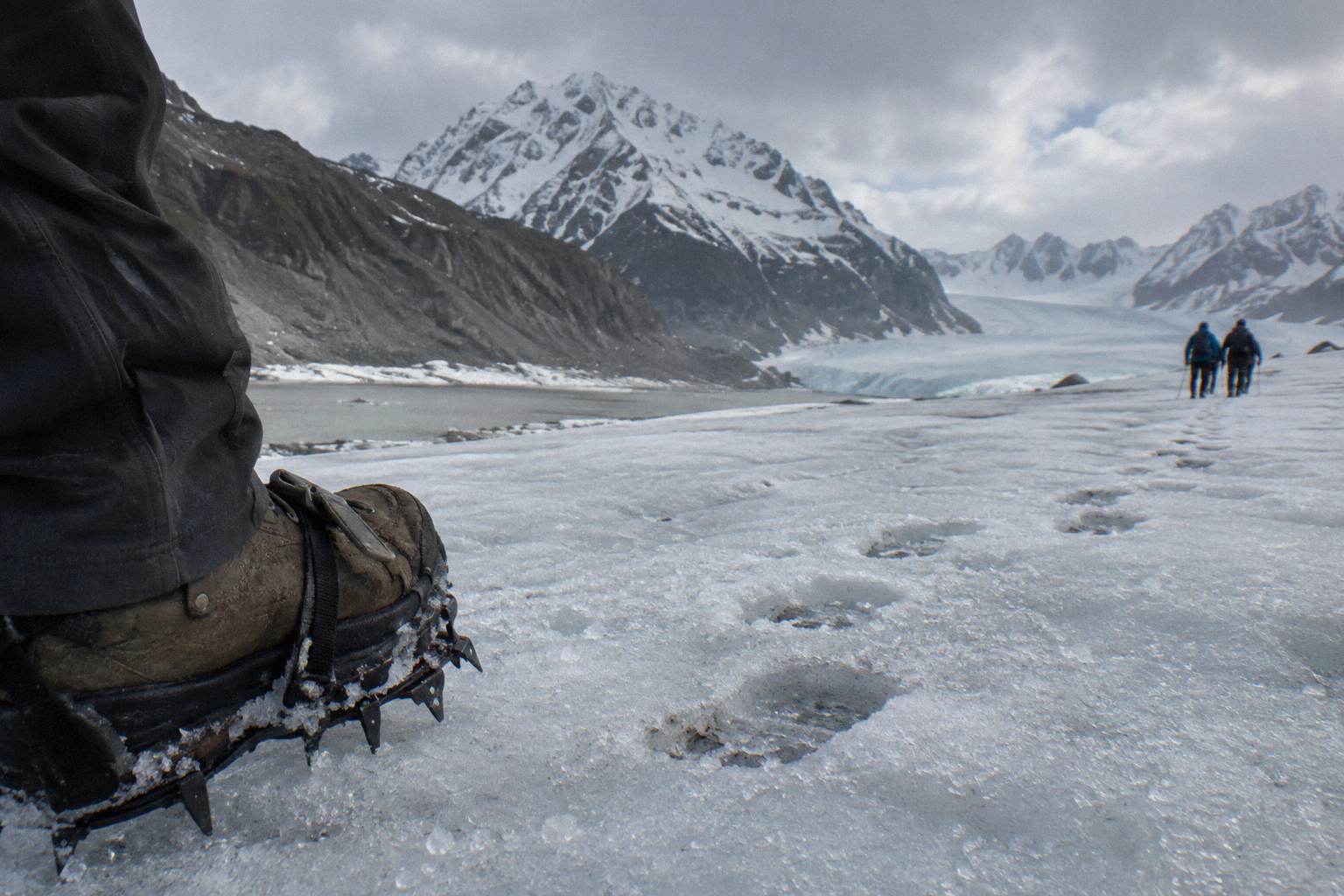
Selfie sticks earn their own caution. An extending pole near an aircraft door is a worse loose object than a strap. The general packing advice in what to wear on a glacier heli hike covers the clothing side of the same packing problem.
Does The Helicopter Itself Cause Filming Problems?
Yes, three: vibration, windows and space. Rotor vibration makes long lenses and shaky handheld footage soft, shooting through perspex adds reflections, and the cabin is tight enough that gear must stay on your person or in a closed pack. The landing and take-off phases limit movement the most, while the on-ice section is the steady, unrestricted filming window.
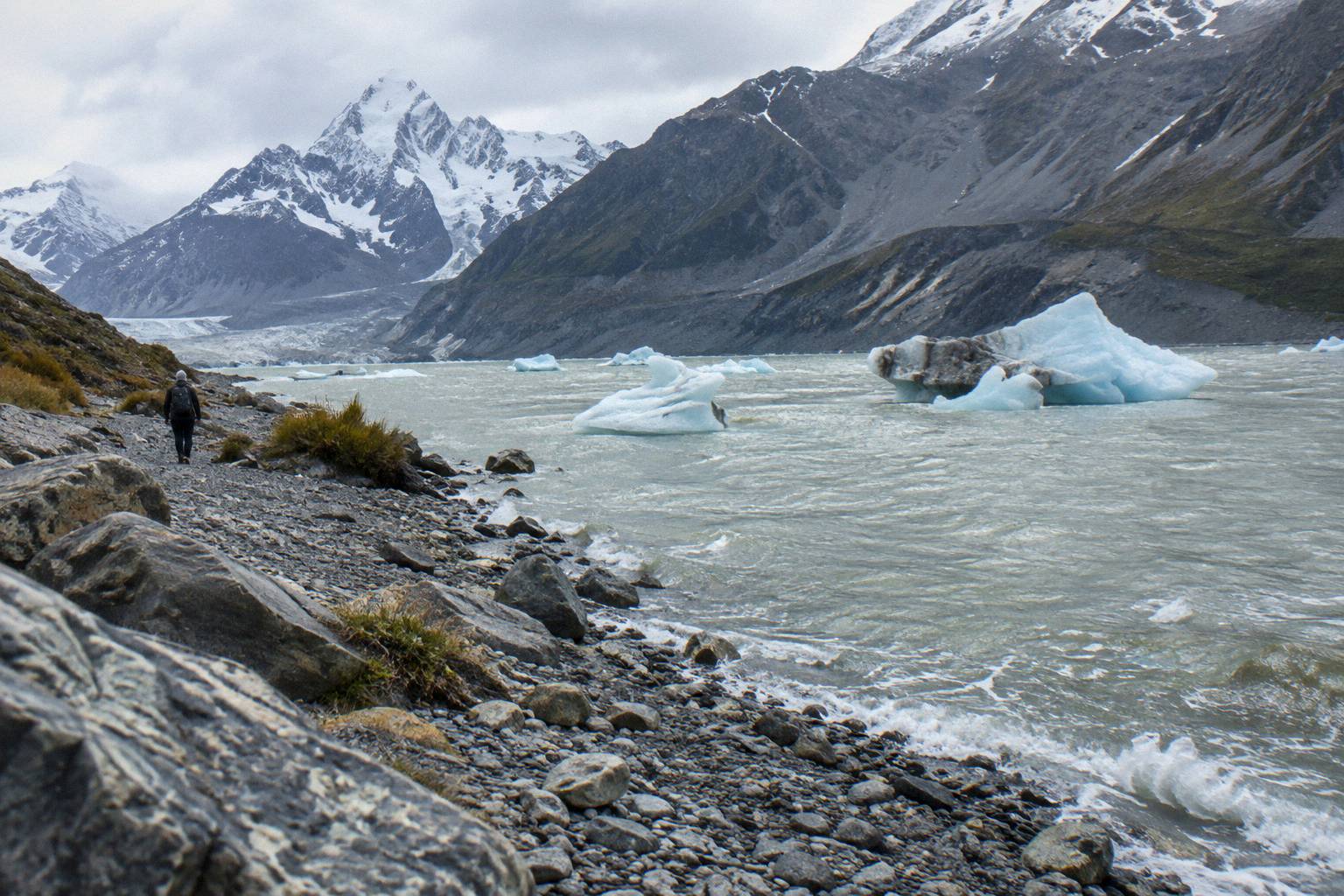
If you do get a yes for an action camera, where you mount it decides what you get. Mounted on your chest or shoulder for the flights, it captures the window view with vibration blur on the airframe but stable framing of you and the glacier beyond. Handheld on the ice, with the helicopter parked and your crampons planted, is where the best material happens: the light is full, the group is moving slowly, and the guide's stops are natural shot setups. Wind on the glacier can be strong, which is another argument for a mounted rather than held camera during any exposed stretch.
Space is the quiet constraint. The Helicopter Line's heli hike takes up to 20 people per booking group and The Alpine Guides guiding ratio on the standard hike is around one guide to twelve walkers, so you will not be alone on the ice and the landing zone is a working aircraft site. Crew instructions about where to stand always outrank a shot you want. The same rule that keeps loose straps out of the cabin keeps filming courteous on the ground: gear stays contained until the guide opens the window of time for photos.
The final quarter of the trip, the flight back along the ice, is the sequence most people underuse. By then batteries are colder and hands are tireder, but the return routing passes close to the Hochstetter Icefall, which the Alpine Guides page describes as roughly 1,000 metres high. Whatever camera survived the day should be saved for those minutes. For everything surrounding the camera question, how to book a glacier heli hike walks through the booking steps where the ask-the-operator conversation belongs.
Common Questions About Drones And Cameras On The Heli Hike
Can You Take A Drone Or GoPro On A Heli Hike?
No drone: recreational drones are banned throughout Aoraki / Mount Cook National Park, and The Helicopter Line lists them among items to leave behind. A GoPro is not addressed by the operators, so ask at booking and do not assume it is permitted.
Can I Fly A Drone At The Hooker Valley Track Or Tasman Glacier Viewpoint Instead?
No. The Department of Conservation's rule covers the entire national park, including every track and viewpoint, with no exceptions for tourists. Commercial operators may apply for a permit; recreational flyers may not.
Is A Phone Enough For Photos On The Glacier?
For most visitors yes. Phones fit the small backpack the operators recommend and no listed brand restricts them. Carry a spare battery, since power banks are on the leave-behind list and cold air drains batteries faster.
Why Are Power Banks And IPads On The Leave-Behind List?
The Helicopter Line asks visitors to leave behind loose and bulky items, including drones, power banks, iPads, large cameras on straps, loose clothing and scarves. The concern is loose objects in a small aircraft and on the ice, not the devices themselves.
Are Selfie Sticks Allowed On The Heli Hike?
Treat them as a no. An extending pole near an aircraft door is the same loose-object problem as a camera strap.